
Why Commercial Buildings Need Annual Fire Pump Flow Testing
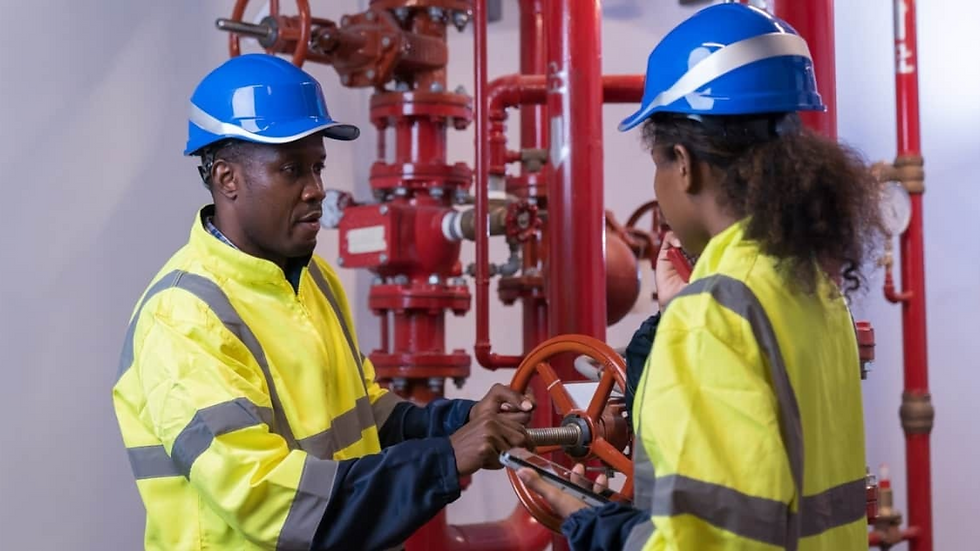
A fire sprinkler system is only as reliable as the water supply behind it. In many commercial buildings, that supply depends on a fire pump operating correctly during an emergency. If the pump fails under pressure, the entire fire protection system may become ineffective when occupants need it most.
Annual fire pump flow testing helps verify that commercial fire protection systems can deliver the water pressure and flow required by NFPA standards and Florida fire code regulations. In South Florida, where large commercial properties, high-rise condominiums, warehouses, healthcare facilities, and mixed-use buildings rely heavily on automatic fire suppression systems, routine testing is a critical part of building safety compliance.
For property owners and facility managers in Miami-Dade County, Broward County, and Palm Beach County, annual testing is not just a maintenance recommendation. It is often a mandatory requirement tied to fire marshal inspections, insurance obligations, and NFPA compliance standards.
Building owners working with experienced providers like Active Fire Sprinkler can better maintain system reliability, reduce compliance risks, and improve emergency preparedness.
Quick Answer
Annual fire pump flow testing verifies that a commercial fire pump can supply the correct water pressure and flow during a fire emergency. NFPA 25 requires yearly testing to ensure fire sprinkler systems operate properly, remain code compliant, and protect occupants and property from fire-related damage.
What Is Fire Pump Flow Testing?
Fire pump flow testing is a performance evaluation designed to confirm that a fire pump can deliver the required water flow and pressure to a building’s fire sprinkler system or standpipe system.
During the test, certified fire protection professionals measure:
Water pressure levels
Flow rates
Pump performance under load
System reliability
Mechanical functionality
The testing process simulates real fire protection demand conditions. This allows building owners to identify hidden issues before a fire emergency occurs.
Commercial fire pumps are commonly installed in:
High-rise buildings
Warehouses
Hospitals
Manufacturing facilities
Shopping centers
Hotels
Industrial properties
Large condominium complexes
These systems are especially important in commercial buildings throughout South Florida where municipal water pressure alone may not adequately support fire suppression systems.
Property owners interested in learning more about system fundamentals can review understanding the basics of fire sprinkler systems for additional insight into how commercial fire protection systems operate.
Why Annual Fire Pump Flow Testing Is Required
Annual testing is required because fire pumps can gradually lose efficiency over time without visible warning signs.
Several factors can affect pump performance, including:
Corrosion
Mechanical wear
Valve obstructions
Electrical problems
Pressure irregularities
Water supply issues
Improper maintenance
NFPA 25, the Standard for the Inspection, Testing, and Maintenance of Water-Based Fire Protection Systems, establishes annual flow testing requirements to ensure fire pumps remain operational under emergency conditions.
Without testing, building owners may not realize the system has degraded until an actual fire occurs.
Commercial facilities that already conduct routine fire sprinkler inspections should understand that pump testing remains a separate but equally important compliance requirement.
Key Compliance Reasons for Annual Testing
Commercial buildings may require annual fire pump flow testing for:
NFPA 25 compliance
Florida Fire Code requirements
Local fire marshal inspections
Insurance carrier requirements
OSHA workplace safety expectations
Commercial occupancy certifications
Property risk management programs
In South Florida, local code enforcement agencies frequently review fire pump testing documentation during inspections and permit evaluations.
Additional guidance regarding compliance expectations can also be found in NFPA 25 inspection requirements in Florida.
How Fire Pump Flow Testing Works
Annual fire pump testing involves operating the pump under controlled flow conditions while technicians record performance data.
A standard flow test generally includes:
Visual inspection of pump components
Verification of gauges and valves
Testing churn pressure performance
Measuring pressure at various flow levels
Recording flow capacity readings
Comparing results to manufacturer specifications
Identifying performance deficiencies
Technicians typically test the pump at:
0% flow (churn)
100% rated capacity
150% rated capacity
These benchmarks help determine whether the system still meets design requirements established during fire sprinkler installation.
Property managers preparing for compliance reviews may also benefit from reading preparing for a fire sprinkler inspection.
Common Types of Fire Pumps in Commercial Buildings
Commercial fire protection systems may use several fire pump configurations depending on building size and fire protection demands.
Electric Fire Pumps
Electric fire pumps are common in office buildings, healthcare facilities, and residential towers. They rely on electrical power to maintain system pressure and water flow.
Diesel Fire Pumps
Diesel-powered pumps are often used when backup reliability is essential. They remain operational during electrical outages and are frequently installed in industrial facilities and critical infrastructure buildings.
Vertical Turbine Fire Pumps
These pumps are commonly used where water is supplied from underground tanks, lakes, or alternative water storage systems.
Each fire pump type requires annual testing to maintain operational readiness and code compliance.
For larger commercial developments, proper system planning often begins with professional fire sprinkler design and hydraulic calculations.
Signs Your Fire Pump May Need Immediate Service
While annual testing is required, certain warning signs may indicate the need for immediate inspection or repair.
Common Fire Pump Warning Signs
Unusual vibration or noise
Pressure fluctuations
Delayed startup
Corrosion or visible leaks
Alarm activations
Failure to maintain pressure
Electrical control issues
Excessive heat generation
Ignoring these symptoms can increase the risk of fire protection failure and may result in failed inspections.
Commercial property managers should schedule professional evaluations as soon as performance issues are detected. Building owners can also review signs it’s time to service your fire sprinkler system to identify additional warning indicators.
Risks of Skipping Annual Fire Pump Flow Testing
Failing to conduct annual fire pump testing can create serious legal, financial, and safety risks.
Increased Fire Damage Risk
A malfunctioning fire pump may reduce sprinkler effectiveness during a fire emergency. This can allow flames to spread more rapidly throughout the structure.
Code Violations
Buildings that fail to maintain required inspections and testing may face:
Fire code citations
Failed fire marshal inspections
Occupancy issues
Regulatory penalties
Insurance Complications
Insurance providers may deny claims or increase premiums if fire protection systems are not properly maintained and documented.
Liability Exposure
Property owners and facility operators may face legal liability if inadequate fire protection contributes to injuries or property damage.
Business owners can better understand these risks by reviewing the cost of not maintaining your fire sprinkler system.
Fire Pump Testing and NFPA 25 Compliance
NFPA 25 establishes inspection and testing requirements for water-based fire protection systems, including fire pumps.
NFPA 25 Annual Testing Requirements
NFPA standards generally require:
Weekly or monthly visual inspections
Monthly operational checks
Annual flow testing
Periodic internal inspections
Accurate testing documentation
Annual testing verifies that the pump performs according to its original design specifications.
Testing records are important because fire officials, insurance auditors, and compliance agencies may request documentation during inspections.
Commercial property owners can also explore why regular fire sprinkler inspections matter for broader compliance insights.
Fire Pump Flow Testing in South Florida
Commercial properties in South Florida face environmental conditions that can impact fire protection systems more aggressively than in other regions.
Regional Challenges
Buildings in Miami, Broward County, and Palm Beach County often experience:
High humidity
Salt air corrosion
Flooding risks
Hurricane-related infrastructure strain
Heavy year-round system usage
These conditions can accelerate wear on fire pumps, valves, and sprinkler system components.
Routine testing helps identify deterioration before it affects system reliability.
Property owners dealing with coastal conditions may also benefit from reading how Florida’s humidity affects fire sprinkler system longevity.
High-Risk Commercial Properties
Annual fire pump flow testing is especially important for:
High-rise condominiums
Healthcare facilities
Warehouses
Industrial buildings
Schools
Hotels
Mixed-use developments
These properties typically require larger and more complex fire suppression systems to meet Florida fire code standards.
Common Problems Found During Fire Pump Testing
Annual testing often uncovers issues that are not visible during routine building operations.
Common Fire Pump Deficiencies
Worn impellers
Suction supply restrictions
Air leaks
Controller malfunctions
Incorrect pressure readings
Diesel engine problems
Pipe obstructions
Valve positioning errors
Identifying these problems early helps reduce emergency repair costs and system downtime.
For additional maintenance guidance, property managers can review fire sprinkler maintenance tips for property owners.
Common Mistakes Commercial Property Owners Make
Many building owners unintentionally create compliance risks by overlooking fire protection system requirements.
Mistakes to Avoid
Skipping annual flow testing
Hiring uncertified contractors
Ignoring inspection reports
Delaying recommended repairs
Failing to maintain testing records
Assuming sprinkler inspections replace pump testing
Neglecting emergency service readiness
A complete fire protection strategy requires inspection, testing, maintenance, and rapid corrective action when deficiencies are discovered.
Businesses can avoid many of these issues by understanding top fire code violations found during inspections.
Installation and Maintenance Considerations
Proper installation and preventive maintenance directly affect long-term fire pump reliability.
Important Maintenance Practices
Regular lubrication
Valve inspections
Battery maintenance for diesel pumps
Controller testing
Pressure gauge calibration
Corrosion prevention
Monitoring water supply conditions
Commercial buildings in Florida should work with experienced fire protection contractors familiar with NFPA standards and regional code requirements.
Facilities upgrading or expanding systems may also require water backflow installation services to help maintain safe and compliant water supply protection.
When to Call Fire Protection Professionals
Commercial property owners should contact certified fire protection professionals when:
Annual testing deadlines approach
Fire marshal inspections are scheduled
Pressure irregularities occur
Fire pumps fail inspections
Buildings undergo renovations
Sprinkler systems are expanded
Emergency repairs are needed
Professional testing helps ensure accurate reporting, reliable system performance, and ongoing compliance with local regulations.
For buildings operating around the clock, access to 24/7 emergency fire sprinkler services can also help reduce downtime and safety risks.
Commercial property owners evaluating service providers may find how to choose the right fire sprinkler contractor in South Florida helpful when selecting qualified professionals.
Key Takeaways
Annual fire pump flow testing verifies that fire protection systems can deliver required water pressure during emergencies.
NFPA 25 requires annual testing for commercial fire pumps.
Testing helps identify mechanical problems before system failure occurs.
South Florida environmental conditions can accelerate fire pump wear and corrosion.
Proper testing supports fire code compliance, insurance requirements, and occupant safety.
Commercial property owners should maintain accurate inspection and testing documentation.
Certified fire protection contractors help ensure compliance with Florida fire code standards.
Frequently Asked Questions
What is annual fire pump flow testing?
Annual fire pump flow testing evaluates whether a fire pump can provide the correct water pressure and flow required for fire sprinkler systems during an emergency.
Why is fire pump flow testing required?
NFPA 25 requires annual testing to verify fire pump performance, maintain fire protection reliability, and support fire code compliance.
How often should commercial fire pumps be tested?
Commercial fire pumps generally require annual flow testing along with weekly, monthly, and periodic inspections depending on system type and occupancy requirements.
What happens during a fire pump flow test?
Technicians operate the fire pump under controlled conditions while measuring pressure, water flow, and overall pump performance.
What is NFPA 25?
National Fire Protection Association publishes NFPA 25, which outlines inspection, testing, and maintenance requirements for water-based fire protection systems.
Can a building fail a fire marshal inspection without testing records?
Yes. Missing inspection and testing documentation may result in failed inspections, compliance violations, or occupancy concerns.
Are fire pumps required in all commercial buildings?
Not every building requires a fire pump. Fire pumps are typically installed when municipal water pressure cannot meet sprinkler system demand.
What are common fire pump problems?
Common issues include pressure loss, corrosion, controller malfunctions, valve obstructions, and diesel engine failures.
Why is fire pump testing important in South Florida?
South Florida buildings face humidity, corrosion, and storm-related infrastructure challenges that can impact fire protection system reliability.
Who should perform annual fire pump testing?
Testing should be performed by qualified fire protection professionals experienced with NFPA standards, commercial fire sprinkler systems, and Florida fire code requirements.
Conclusion
Annual fire pump flow testing is one of the most important responsibilities in commercial fire protection management. A properly functioning fire pump helps ensure that sprinkler systems can respond effectively during a fire emergency, protecting occupants, property, and business operations.
For commercial buildings in Miami-Dade County, Broward County, and Palm Beach County, annual testing also plays a critical role in maintaining NFPA compliance, satisfying fire marshal inspection requirements, and reducing liability risks.
Routine testing allows property owners to identify hidden deficiencies early, improve system reliability, and maintain compliance with Florida fire safety regulations. In a region where commercial buildings depend heavily on reliable fire suppression infrastructure, proactive testing is essential for long-term safety and operational continuity.
Property managers looking for additional fire protection resources can explore the latest updates on the Active Fire Sprinkler blog.
Final CTA
Commercial property owners should not wait for a failed inspection or emergency system failure to evaluate fire pump performance. Scheduling annual fire pump flow testing helps protect building occupants, maintain code compliance, and support reliable fire suppression system operation.
For commercial fire sprinkler inspections, NFPA compliance evaluations, emergency fire protection support, and fire pump testing services in South Florida, contact Active Fire Sprinkler to schedule a professional assessment.


Comments