
Upgrading Aging Fire Sprinkler Systems for Enhanced Safety and Efficiency
- firejaime
- Feb 1
- 3 min read
Updated: Mar 3
Older commercial buildings often come with a lot of character. However, they can also have outdated fire protection systems. If your property was built years ago, your fire sprinkler system may not be operating as efficiently as it should. At Active Fire Sprinkler, we focus on helping building owners modernize and maintain reliable fire protection systems. Our goal is to improve performance, safety, and compliance.
Below, we’ll break down how strategic upgrades can enhance system efficiency in aging commercial buildings. We use professional solutions designed for longevity.
Why Aging Fire Sprinkler Systems Need Attention
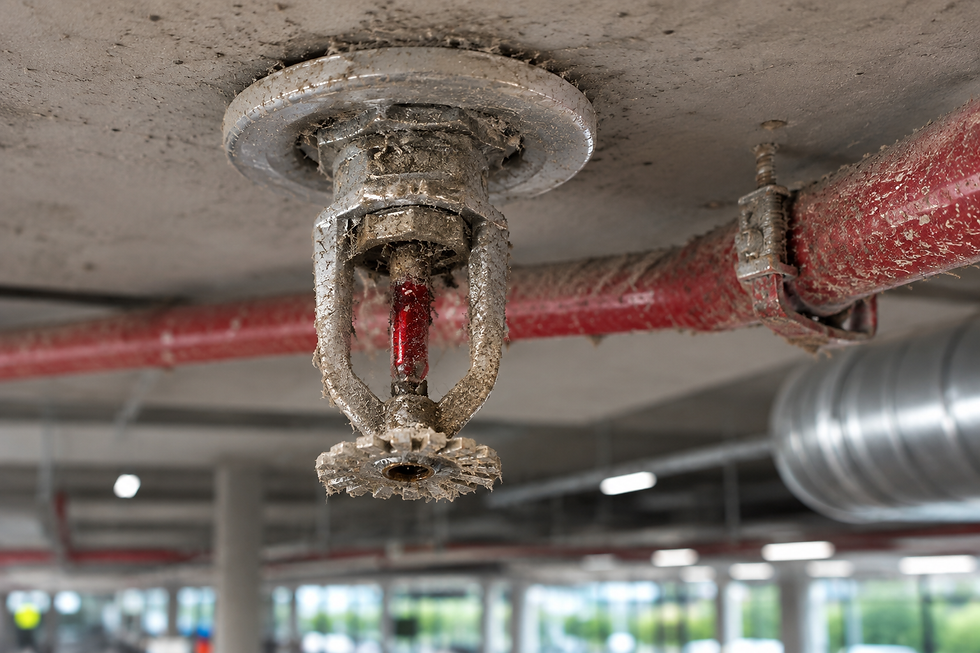
Over time, fire sprinkler components experience wear and tear. They may also have outdated design limitations and changes in building usage. Older systems might still function, but they often lack the efficiency and reliability expected by today’s safety standards. Routine fire sprinkler inspection services are usually the first step in identifying areas where upgrades can make a real difference.
Inspections help uncover issues such as aging components, system inefficiencies, and areas that no longer align with the building’s current layout or use. From there, upgrades can be planned with purpose. Understanding the signs it’s time to service your fire sprinkler system can save you from costly failures down the road.
Fire Sprinkler Inspections That Identify Upgrade Opportunities
Proactive Evaluation for Smarter Decisions
Regular assessments are essential for spotting inefficiencies early. During a standard evaluation, the overall condition of the system is measured. This helps determine whether certain components or system designs could benefit from improvement.
For older commercial properties, these visits often highlight opportunities for upgrades that enhance system performance and long-term reliability. Many owners find that annual vs. quarterly fire sprinkler inspections offer different levels of protection depending on the age and complexity of the building.
Modern Fire Sprinkler Design for Existing Buildings
Updating System Layouts for Better Efficiency
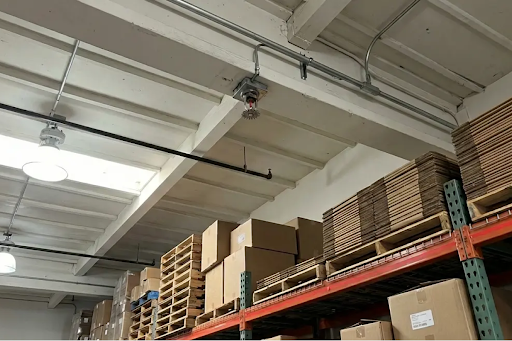
One of the most impactful upgrades for aging buildings is improved fire sprinkler design. As buildings evolve—incorporating new tenants, remodeled spaces, or changed usage—the original sprinkler design may no longer be ideal.
Professional design services align system layouts with the current needs of the property. A well-designed system supports better coverage, improved efficiency, and smoother long-term maintenance. This is especially true when designing fire sprinkler systems for different building types that have undergone significant renovations.
Fire Sprinkler Installation Upgrades
Replacing or Enhancing Outdated Components
When evaluations reveal that certain system parts are no longer performing optimally, targeted fire sprinkler installation services play a key role. Upgrading portions of an existing system—rather than replacing everything—can improve efficiency while minimizing disruption.
Modern components integrate seamlessly with existing infrastructure. If you are considering a major update, reviewing a step-by-step guide on what to expect during installation can help you plan for a smooth transition without interrupting your business operations.
Water Backflow Inspection Services Matter More Than You Think
Protecting System Performance and Water Safety
Efficient fire sprinkler systems rely on proper water flow and pressure. Water backflow inspection services help ensure that backflow prevention devices are functioning as intended. In older systems, backflow components may require closer attention to maintain reliability and prevent contamination of the municipal water supply.
Regular backflow testing in fire protection supports system efficiency while helping property owners stay on top of required local health and safety codes.
24/7 Emergency Services for Aging Systems
Immediate Support When Issues Arise
Older systems are naturally more susceptible to unexpected leaks or mechanical failures. That’s why having access to 24/7 emergency services is critical for commercial property managers. Immediate support addresses urgent issues quickly. This helps reduce downtime and prevents further system strain.
Knowing the value of a 24/7 emergency response ensures that even if an aging pipe fails in the middle of the night, your building remains protected.
Partner With a Local Fire Sprinkler Expert
At Active Fire Sprinkler, our experience with inspections, design, and installation allows building owners to take a practical, informed approach to system upgrades. By identifying inefficiencies early and making targeted improvements, aging commercial fire sprinkler systems can continue to perform reliably for years to come.
If you’re unsure where your current system stands, reaching out through our contact page is the first step toward improving efficiency, safety, and confidence in your building’s fire protection system. For more information on system maintenance, feel free to browse our FAQ or learn more about our commitment to safety.
Conclusion
In conclusion, upgrading aging fire sprinkler systems is crucial for maintaining safety and efficiency in commercial buildings. Regular inspections, modern designs, and timely upgrades can significantly enhance system performance. By partnering with experts, building owners can ensure their fire protection systems meet current standards and provide reliable service for years to come. Don't wait until it's too late—invest in your fire protection today.

Comments