
What Happens When a Single Fire Sprinkler Activates During a Fire?

A common misconception about fire sprinkler systems is that when one sprinkler head activates, every sprinkler in the building goes off at the same time. In reality, commercial fire sprinkler systems are designed to respond only where the fire is occurring. Understanding what happens when a single fire sprinkler activates can help commercial property owners, facility managers, and business operators better appreciate how these systems protect lives and property while minimizing unnecessary water damage.
Quick Answer
When a single fire sprinkler activates during a fire, only the sprinkler closest to the heat of the fire typically discharges water. The rest of the sprinkler system remains inactive unless the fire spreads and generates enough heat to activate additional sprinkler heads. This targeted response helps control fires quickly while limiting water damage to unaffected areas.
How Fire Sprinkler Systems Are Designed to Operate
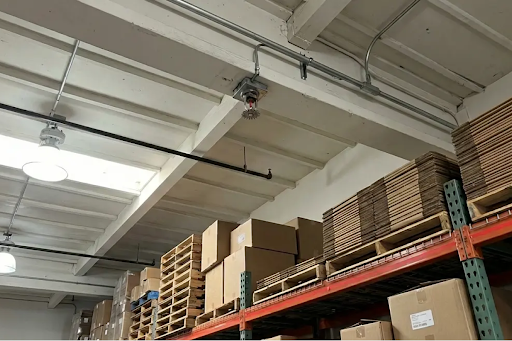
Every fire sprinkler head functions independently. Each sprinkler contains its own heat-sensitive element, such as:
A glass bulb filled with liquid
A fusible metal link
When the surrounding temperature reaches the sprinkler's activation point, the heat-sensitive element breaks, allowing water to flow through that individual sprinkler head. Because each sprinkler operates independently, a fire in one room usually activates only the sprinkler directly above or nearest to the fire. For a deeper look into these mechanisms, see our post on understanding the basics of fire sprinkler systems.
Why All the Sprinklers Do Not Activate at Once
Movies and television often portray every sprinkler head activating simultaneously. This scenario is extremely uncommon in real-world fires. For multiple sprinklers to activate, a fire would need to grow large enough to produce sufficient heat across a much larger area.
In many commercial fires:
One sprinkler is enough to control the fire.
Two or three sprinklers may activate if the fire spreads.
Entire-system activation is rare and generally occurs only during very large or uncontrolled fires.
This design is intentional and offers several benefits:
Faster fire control
Reduced water damage
Protection of unaffected areas
Improved business continuity after an incident
What Happens Step by Step When a Sprinkler Activates
1
The Fire Starts
Step 1
A fire begins and starts producing heat and smoke. Because heat rises, temperatures near the ceiling increase rapidly.
2
The Sprinkler Reaches Its Activation Temperature
Step 2
The nearest sprinkler head absorbs the rising heat. Once the sprinkler's temperature rating is reached, its heat-sensitive element breaks. Most ordinary commercial sprinklers activate between 135°F and 170°F.
3
Water Is Released
Step 3
Water immediately begins flowing through the activated sprinkler head. The sprinkler's deflector distributes water in a specific pattern designed to cool the fire, wet nearby combustible materials, slow fire spread, and reduce smoke production.
4
Fire Growth Is Controlled
Step 4
In many cases, a single sprinkler can contain the fire, prevent flashover, protect escape routes, and reduce structural damage. Early suppression often significantly reduces property loss and business interruption.
5
The Fire Department Responds
Step 5
Even if the sprinkler controls the fire, emergency responders should still inspect the scene, ensure the fire is fully extinguished, and investigate potential hazards.
How Water Flows to the Activated Sprinkler
The water supply depends on the type of sprinkler system installed. To better understand these configurations, review our detailed guide on wet pipe vs. dry pipe fire sprinkler systems.
Wet Pipe Systems
Wet pipe systems keep water inside the piping at all times. When the sprinkler activates, water is immediately discharged. Consequently, response times are typically very fast. Wet pipe systems are the most common type of commercial fire sprinkler system.
Dry Pipe Systems
Dry pipe systems contain pressurized air or nitrogen in the piping. When the sprinkler activates, air pressure is released, the dry pipe valve opens, and water enters the piping to discharge through the activated sprinkler. These systems are commonly used in areas susceptible to freezing.
Preaction Systems
Preaction systems require additional detection events before water enters the piping. These systems are frequently used in:
Data centers
Museums
Archives
Sensitive equipment rooms
How Much Water Does One Fire Sprinkler Release?
A single sprinkler head can discharge a significant amount of water, but it is often far less damaging than an uncontrolled fire. Many commercial sprinkler heads discharge approximately 15 to 30 gallons of water per minute. By comparison, firefighting hose lines may release several times that amount. Early sprinkler activation can therefore reduce both fire damage and overall water damage.
Can Additional Sprinklers Activate?
Yes. If the fire continues to grow and produce heat, nearby sprinklers may eventually activate. Additional sprinklers activate only if:
The fire spreads
Temperatures near adjacent sprinklers reach activation levels
The original sprinkler cannot fully contain the fire
This staged response helps limit unnecessary water discharge.
Benefits of Single-Sprinkler Activation
Minimizes Water Damage: Only the affected area receives water.
Controls Fires Quickly: Early suppression can stop fire growth before it becomes catastrophic.
Improves Life Safety: Occupants often have more time to evacuate safely, which highlights how fire sprinklers improve tenant safety and property value.
Reduces Property Loss: Limiting fire spread can significantly reduce repair costs.
Supports Business Continuity: Businesses may reopen more quickly after a contained fire incident.
Common Problems After a Sprinkler Activation
Even when the system performs properly, property owners should inspect for:
Water damage
Damaged sprinkler heads
Smoke contamination
False ceilings affected by water
Electrical hazards
System impairment issues
A licensed fire sprinkler installation and service contractor should evaluate the system after any activation event.
Signs You Need Professional Service After an Activation
Professional service is recommended if:
A sprinkler has discharged.
System components appear damaged.
Water pressure problems are suspected.
The fire alarm system activated.
The system was shut down after the incident.
Fire marshal inspections are required.
The system should be comprehensively inspected before being returned to normal service. For more warning indicators, see our post on signs it's time to service your fire sprinkler system.
Compliance Requirements
After a sprinkler activation, building owners may need to address:
NFPA inspection and testing requirements
Florida Fire Code requirements
Local fire marshal inspections
System restoration procedures
Documentation of repairs and impairments
Maintaining proper records can be critical for insurance and regulatory purposes. Learn more about this by reading how professional fire sprinkler inspections prevent costly code violations in florida.
Common Misconceptions About Fire Sprinklers
Myth | Reality |
All sprinklers activate together | Only sprinklers exposed to sufficient heat activate. |
Smoke activates sprinklers | Sprinklers respond to heat, not smoke. |
Sprinklers cause more damage than fires | Early suppression usually limits total damage. |
One sprinkler cannot control a fire | Many fires are controlled by one or two sprinklers. |
Sprinkler activations are common | Accidental activations are relatively rare. |
To read more about these common misunderstandings, look over our resource on fire sprinkler myths debunked.
Common Mistakes to Avoid
Turning Off the Water Supply Too Quickly
Doing so may allow the fire to grow again.
Assuming the System Is Fully Operational
The system should always be inspected after activation to identify the underlying cause. For information on potential breakdown factors, see the top reasons fire sprinkler systems fail during emergencies.
Delaying Repairs
Damaged components should be repaired promptly. Delaying post-activation fixes can expose your business to severe risks; discover how to mitigate this with emergency sprinkler repair services that reduce business downtime.
Ignoring Post-Fire Inspections
A professional assessment helps ensure the system is ready for future emergencies.
When to Contact a Fire Sprinkler Professional
Property owners should seek professional assistance when:
A sprinkler has activated.
System components need replacement.
A fire occurred in the building.
Questions arise about code compliance.
The system requires restoration or testing.
Prompt fire sprinkler inspection helps ensure the fire sprinkler system remains ready for future emergencies.
Key Takeaways
A single fire sprinkler usually activates only in the area affected by the fire.
Fire sprinkler heads operate independently.
Most fires are controlled by one or a few sprinklers.
Targeted water discharge helps reduce unnecessary water damage.
Professional inspections are important after any sprinkler activation.
Proper maintenance supports long-term fire protection and code compliance.
Frequently Asked Questions
Do all fire sprinklers go off when one activates?
No. Each sprinkler operates independently and activates only when exposed to sufficient heat.
Can one sprinkler stop a fire?
Yes. Many commercial fires are controlled by one or two sprinkler heads.
Does smoke activate fire sprinklers?
No. Fire sprinklers respond to heat, not smoke.
Should the sprinkler system be inspected after activation?
Yes. A professional inspection should be performed before the system is returned to service.
Will additional sprinklers activate?
Only if the fire spreads and creates enough heat to activate nearby sprinkler heads.
Can a sprinkler activation cause water damage?
Yes, but the damage is usually much less severe than the damage caused by an uncontrolled fire.
Are sprinkler activations common?
Accidental activations are relatively uncommon, and modern sprinkler systems are highly reliable.
Conclusion
When a single fire sprinkler activates during a fire, the system is doing exactly what it was designed to do: respond directly to the fire's location and suppress it as quickly as possible. Contrary to popular belief, all the sprinklers in a building do not activate simultaneously. Instead, individual sprinkler heads operate independently, providing targeted fire suppression that helps protect occupants, reduce property damage, and improve overall fire safety.
For commercial buildings throughout Miami, Miami-Dade County, Broward County, Palm Beach County, and South Florida, understanding how fire sprinklers operate can help property owners make informed decisions about inspections, maintenance, and fire protection planning.
If your sprinkler system has activated or you have questions about inspections, repairs, or compliance requirements, consider consulting a licensed fire sprinkler contractor such as Active Fire Sprinkler for professional guidance. You can visit our contact page to schedule a consultation, or request immediate assistance through our 24/7 emergency services team when every second counts.


Comments