
How Fire Sprinkler Inspections Improve Insurance Risk Assessments
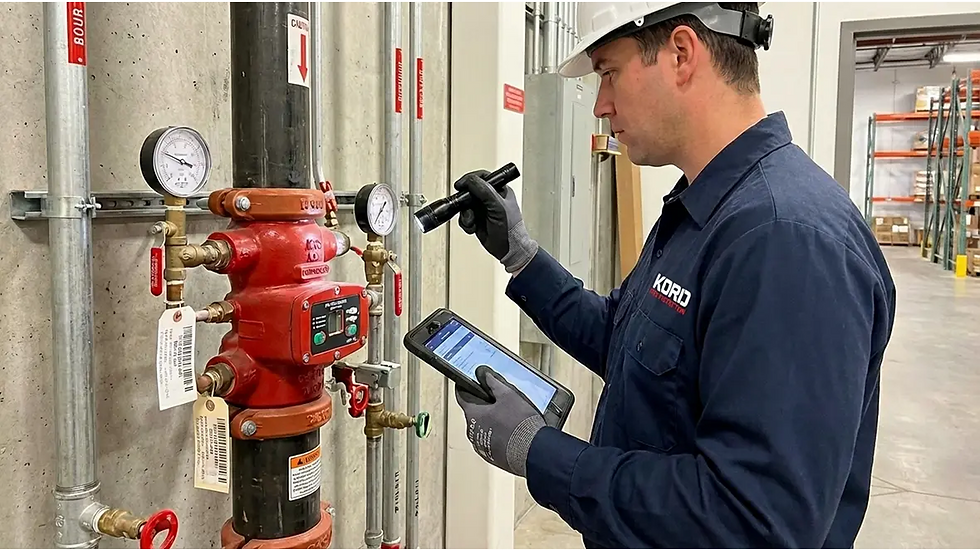
A properly maintained fire sprinkler system does more than protect a commercial building during a fire. It also demonstrates that a property owner is actively managing risk, maintaining life safety systems, and meeting recognized fire protection standards. These factors can play an important role during insurance risk assessments.
Insurance providers evaluate many aspects of a commercial property before issuing or renewing coverage. Along with building construction, occupancy type, and fire history, they often consider the condition and maintenance of fire protection systems. Routine fire sprinkler inspections provide documented evidence that these systems are being maintained to perform as intended.
For commercial property owners, facility managers, condominium associations, warehouses, healthcare facilities, schools, and industrial operations throughout South Florida, regular fire sprinkler inspections matter as an important investment in safety, compliance, and long-term risk management.
Quick Answer
Fire sprinkler inspections improve insurance risk assessments by verifying that fire protection systems are functioning properly, identifying deficiencies before they become major issues, and providing documentation that supports NFPA compliance and responsible property management.
Why Insurance Companies Evaluate Fire Protection Systems
Insurance providers assess the likelihood and potential severity of future losses. A well-maintained fire protection system can help reduce the impact of a fire by:
Controlling fire growth
Limiting property damage
Protecting occupants
Reducing business interruption
Supporting emergency response
Because of these benefits, insurers often consider the condition of fire sprinkler systems during underwriting and risk evaluations. In fact, keeping these systems in peak shape can reduce insurance costs for businesses significantly.
How Fire Sprinkler Inspections Support Risk Management
Routine inspections help property owners:
Verify system reliability
Identify maintenance needs early
Maintain accurate inspection records
Reduce unexpected failures
Demonstrate proactive facility management
Support regulatory compliance
These practices contribute to a stronger overall risk management program.
What Is Included in a Fire Sprinkler Inspection?
A professional inspection evaluates the condition and operation of key fire protection components. Preparing for a fire sprinkler inspection properly ensures all elements are accessible. Typical inspection activities include:
Sprinkler head inspections
Control valve verification
Pressure gauge checks
Water flow testing
Alarm device inspections
Pipe condition assessments
Fire pump evaluations
Backflow prevention inspections
Documentation review
The scope of the inspection depends on the type of system and applicable code requirements.
Why Inspection Records Matter
Documentation is one of the most valuable outcomes of routine inspections. Accurate records help demonstrate:
Required inspections were completed
Deficiencies were identified
Corrective actions were taken
Maintenance schedules were followed
System performance was verified
Well-organized documentation helps during insurance claims and is incredibly useful during regulatory inspections and internal facility audits.
Early Detection Reduces Future Losses
Many fire sprinkler problems develop gradually over time. Routine inspections may uncover issues like fire sprinkler corrosion, pipe leaks, damaged sprinkler heads, obstructed piping, valve problems, fire pump deficiencies, and pressure irregularities.
Correcting these issues early helps reduce the likelihood of larger failures that could increase fire losses.
Fire Sprinkler Inspections and NFPA Compliance
Commercial fire sprinkler systems are governed by standards developed by the National Fire Protection Association. Important standards include:
NFPA 13 – Installation of Sprinkler Systems
NFPA 25 – Inspection, Testing, and Maintenance of Water-Based Fire Protection Systems
NFPA 20 – Installation of Stationary Fire Pumps
NFPA 72 – National Fire Alarm and Signaling Code
Routine inspections help property owners maintain compliance with these standards while supporting system reliability.
How Inspections Support Insurance Risk Assessments
Insurance risk assessments typically consider whether a property is being maintained responsibly. Fire sprinkler inspection records may demonstrate preventive maintenance practices, ongoing system reliability, compliance with recognized standards, timely repairs, and reduced operational risk.
Although every insurer uses its own underwriting criteria, documented maintenance generally supports a stronger risk profile than neglected fire protection systems. Proactive owners can read a fire sprinkler maintenance guide to better understand these ongoing obligations.
Supporting Business Continuity
Fire protection systems are designed to reduce operational disruption after a fire. Routine inspections help improve business continuity planning by reducing unexpected system failures, improving emergency readiness, protecting inventory, supporting faster recovery, and minimizing downtime.
Fire Sprinkler Inspections for Different Commercial Properties
Office Buildings
Routine inspections help protect employees, tenants, and business operations while drastically improving tenant safety and property value.
Warehouses
Large storage facilities require dependable, compliant sprinkler systems to protect inventory and reduce fire losses, often requiring specialized ESFR sprinkler systems.
Healthcare Facilities
Hospitals and medical centers depend on reliable fire protection because many occupants cannot evacuate independently.
Schools and Universities
Educational facilities require properly maintained fire protection solutions to protect students, faculty, and visitors.
Apartment Complexes
Routine inspections help maintain life safety for residents while protecting shared property and building infrastructure.
Common Inspection Deficiencies
Professional inspections frequently identify issues such as corroded piping, painted sprinkler heads, damaged sprinklers, closed control valves, water pressure problems, fire pump deficiencies, and missing maintenance records.
Knowing the top fire code violations found during inspections can help you avoid them completely.
Insurance Benefits of Preventive Maintenance
Preventive maintenance demonstrates that building owners are actively reducing potential losses. Scheduling preventive maintenance twice a year brings distinct operational advantages, including:
Improved system reliability
Better inspection outcomes
Reduced emergency repairs
Longer equipment life
Stronger compliance documentation
Lower operational risk
Routine maintenance complements regular inspections to create a comprehensive fire protection strategy.
Fire Protection Challenges in South Florida
Commercial properties throughout South Florida operate in conditions that can affect fire protection systems over time. Regional challenges include high humidity, salt air exposure, corrosion risks, hurricane preparedness, and aging infrastructure.
Regular inspections help identify issues related to these environmental conditions before they become significant problems.
Common Mistakes Property Owners Make
Mistakes to Avoid:Skipping scheduled inspectionsDelaying repairs after deficiencies are identifiedFailing to maintain inspection recordsIgnoring corrosion concernsOverlooking fire pump maintenanceWaiting until insurance or regulatory inspections to address problemsUsing unqualified service providers
These mistakes can weaken both system reliability and overall risk management, inflating the cost of not maintaining your system.
Signs Your Fire Sprinkler System Needs Inspection
Property owners should keep an eye out for signs it's time to schedule an inspection, which include:
Visible corrosion or hidden pipe damage
Water leaks
Damaged sprinkler heads
Pressure fluctuations
Fire pump warning indicators
Alarm troubles
Recent building renovations
Prompt evaluation helps keep the system operating as intended.
When to Call Fire Protection Professionals
Professional inspections should be scheduled when annual maintenance is due, fire marshal inspections are approaching, insurance documentation is requested, building renovations affect the system, fire pumps require testing, or system deficiencies are identified.
Experienced fire protection professionals can identify issues early and recommend appropriate corrective actions.
Key Takeaways
Fire sprinkler inspections verify that systems remain ready to perform during an emergency.
Inspection records support insurance risk assessments by documenting preventive maintenance.
Routine inspections help identify deficiencies before they become costly failures.
NFPA standards provide guidance for inspection, testing, and maintenance.
Preventive maintenance strengthens long-term risk management.
South Florida environmental conditions make regular inspections especially important.
Reliable fire protection supports life safety, property protection, and business continuity.
FAQ Section
Why do insurance companies review fire sprinkler inspections?
They help verify that fire protection systems are properly maintained and capable of reducing fire-related losses.
Can fire sprinkler inspections affect insurance premiums?
Insurance decisions vary by provider, but well-maintained fire protection systems may be viewed more favorably during risk assessments. Property owners should consult their insurer for details about underwriting and pricing.
What does a fire sprinkler inspection include?
Inspections typically evaluate sprinkler heads, valves, piping, pressure, alarms, fire pumps, and related system components.
Which NFPA standards apply to fire sprinkler inspections?
National Fire Protection Association standards such as NFPA 25, NFPA 13, NFPA 20, and NFPA 72 provide guidance for inspection and maintenance.
Why are inspection records important?
They document maintenance activities, identified deficiencies, and corrective actions, supporting compliance and risk management.
Can inspections identify hidden problems?
Yes. Inspections often reveal corrosion, leaks, pressure issues, damaged components, and other conditions that may not be immediately visible.
How often should commercial fire sprinkler systems be inspected?
Inspection frequencies vary depending on the system and applicable NFPA requirements. Property managers often weigh annual vs. quarterly inspections to find the right balance for their facility.
Do inspections help with fire marshal compliance?
Yes. Routine inspections help demonstrate that fire protection systems are being maintained according to applicable standards.
Why are inspections especially important in South Florida?
Humidity, coastal exposure, and year-round environmental conditions can accelerate wear on fire protection systems.
Who should perform commercial fire sprinkler inspections?
Qualified fire protection professionals should conduct inspections, testing, and maintenance in accordance with applicable codes and standards.
Conclusion
Fire sprinkler inspections are an essential part of protecting commercial buildings, supporting regulatory compliance, and strengthening insurance risk assessments. By identifying deficiencies early and documenting ongoing maintenance, inspections help property owners demonstrate responsible risk management while improving the reliability of their fire protection systems.
For businesses throughout Miami-Dade County, Broward County, and Palm Beach County, routine inspections also help address environmental factors that can affect long-term system performance. A proactive inspection program not only protects people and property but also supports stronger operational resilience and informed insurance evaluations.
Final CTA
If your commercial property is due for a fire sprinkler inspection, annual fire pump flow testing, backflow inspection, or NFPA compliance review, professional service can help ensure your fire protection systems remain reliable and inspection ready.
For expert fire sprinkler inspections, preventive maintenance, and essential fire protection services throughout South Florida, contact Active Fire Sprinkler to schedule a professional evaluation and help protect your property with confidence.


Comments