
Step-by-Step Fire Sprinkler Installation Guide: Essential Sprinkler Installation Steps
- firejaime
- Feb 23
- 3 min read
Updated: May 7
Installing a fire sprinkler system is a critical safety measure for any building. It helps protect lives and property by automatically controlling or extinguishing fires before they spread. Whether you are a homeowner, a building manager, or a contractor, understanding the sprinkler installation steps can ensure the system is installed correctly and functions effectively when needed.
This guide will walk you through the essential sprinkler installation steps, providing clear instructions and practical tips to help you complete the process smoothly and safely.
Understanding the Sprinkler Installation Steps
Before diving into the actual installation, it is important to understand the basic components and layout of a fire sprinkler system. The system typically includes:
Water supply: A reliable source of water, often connected to the building’s main water line.
Piping network: Pipes that distribute water to sprinkler heads throughout the building.
Sprinkler heads: Devices that release water when heat from a fire activates them.
Control valves and alarms: Components that regulate water flow and alert occupants.
The sprinkler installation steps begin with planning and design, followed by material selection, piping installation, sprinkler head placement, and system testing.
Planning and Preparation for Sprinkler Installation Steps
Proper planning is the foundation of a successful fire sprinkler installation. Here are the key steps to prepare:
Assess the building layout: Identify areas that require coverage, including rooms, hallways, and storage spaces.
Determine water supply capacity: Ensure the water source can provide adequate pressure and flow.
Design the piping layout: Plan pipe routes to minimize bends and maximize efficiency.
Select appropriate sprinkler heads: Choose heads based on room type, ceiling height, and fire hazard classification.
Obtain necessary permits: Check local regulations and secure permits before starting work.
Having a detailed plan helps avoid costly mistakes and ensures compliance with safety standards.
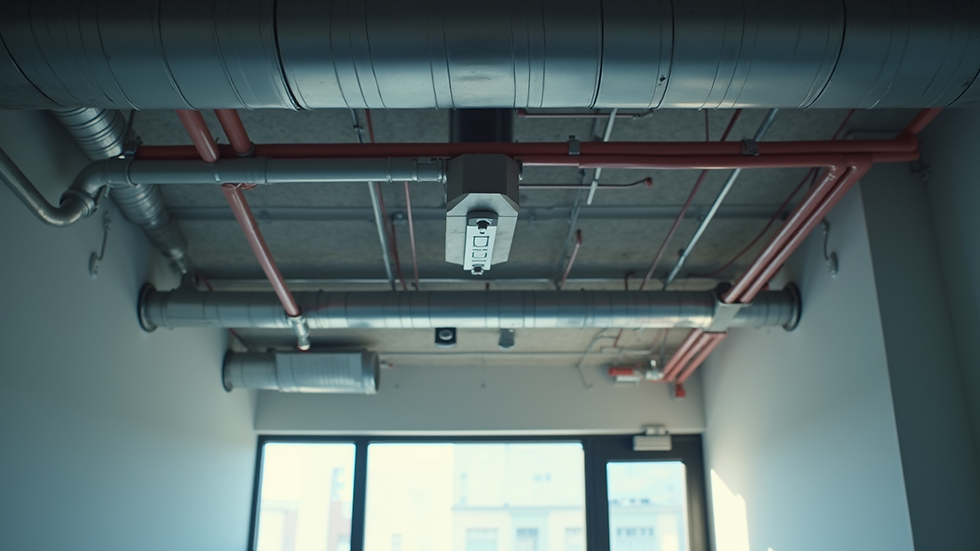
How is a Fire Sprinkler System Installed?
The actual installation involves several technical steps that must be followed carefully:
Shut off the water supply: Prevent water flow during installation to avoid leaks and accidents.
Install the main water line: Connect the system to the building’s water supply using appropriate fittings.
Run the piping network: Secure pipes along the planned routes using hangers and supports.
Install sprinkler heads: Attach heads at designated locations, ensuring they are unobstructed and properly oriented.
Connect control valves and alarms: Install valves to control water flow and alarms to notify occupants in case of activation.
Pressure test the system: Check for leaks and ensure pipes can handle the required pressure.
Restore water supply and test operation: Turn on the water and verify that sprinkler heads activate correctly under test conditions.
Each step requires attention to detail and adherence to manufacturer instructions and local codes.
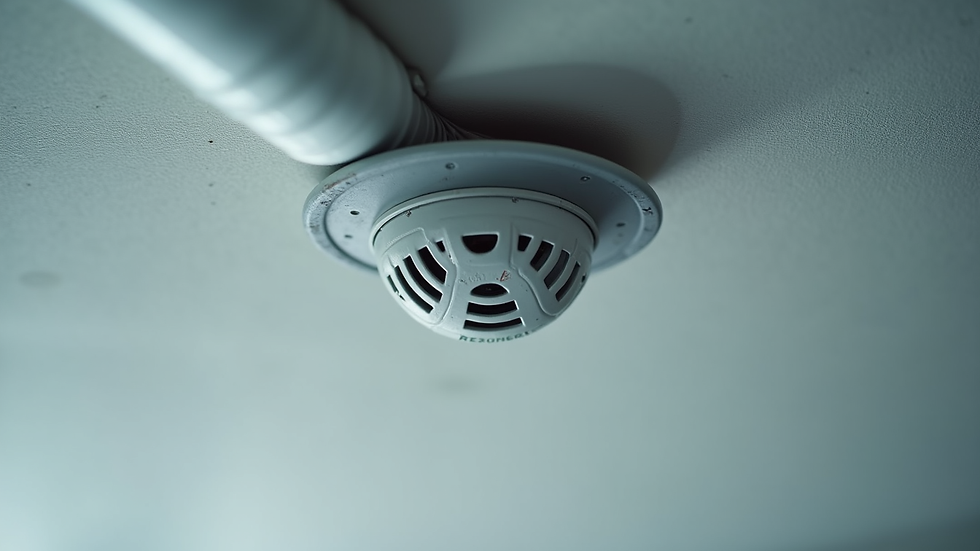
Tips for a Successful Fire Sprinkler Installation
To ensure your fire sprinkler installation is effective and reliable, consider these practical recommendations:
Use quality materials: Invest in durable pipes, fittings, and sprinkler heads to reduce maintenance and failure risks.
Follow manufacturer guidelines: Each component may have specific installation requirements.
Maintain proper spacing: Sprinkler heads should be spaced according to standards to provide full coverage.
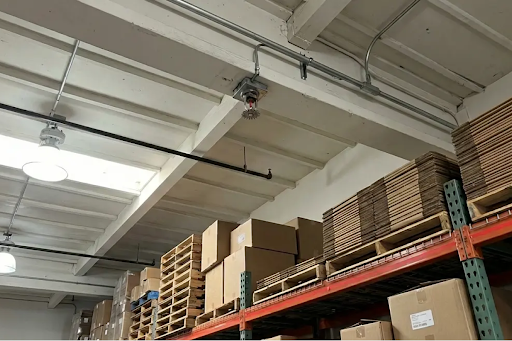
Avoid obstructions: Keep sprinkler heads clear of beams, lights, and other objects that could block water spray.
Hire certified professionals: If you are not experienced, consider hiring licensed installers to guarantee compliance and safety.
Document the installation: Keep records of plans, permits, and tests for future reference and inspections.
Maintaining Your Fire Sprinkler System
Installation is just the beginning. Regular maintenance is essential to keep the system operational:
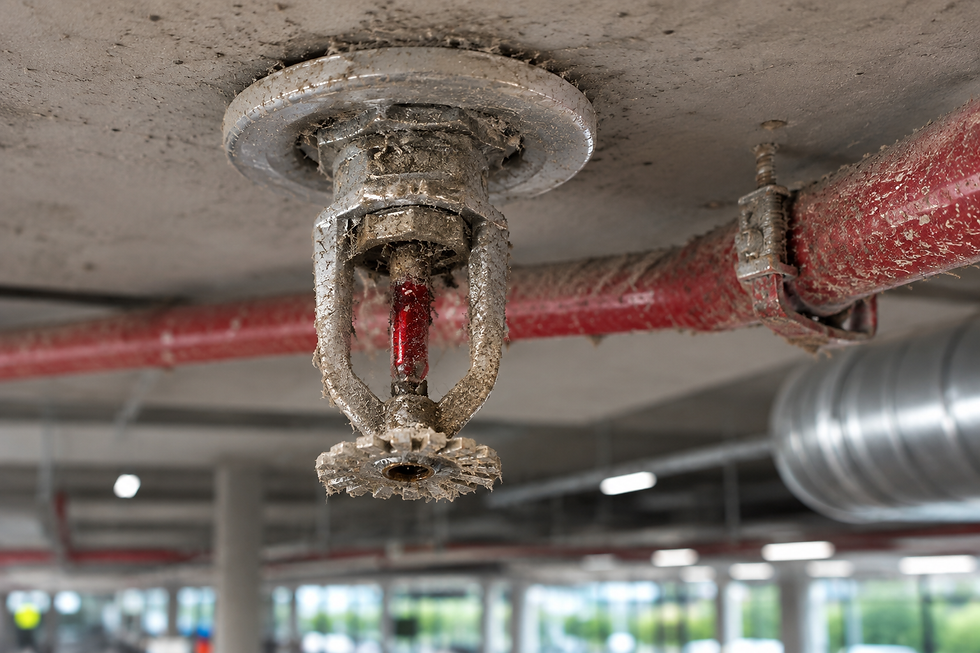
Inspect sprinkler heads: Check for damage, corrosion, or paint that could impair function.
Test alarms and control valves: Ensure all components respond correctly.
Flush the system periodically: Remove sediment and debris from pipes.
Schedule professional inspections: Have experts review the system annually or as required by local regulations.
Proper maintenance extends the life of your fire sprinkler system and ensures it will perform when needed.
By following these detailed sprinkler installation steps, you can enhance the safety of your building and protect lives and property from fire hazards. For more detailed guidance and professional assistance, consider consulting experts in fire sprinkler installation.

Comments