
Step-by-Step Fire Sprinkler Installation Guide: Essential Sprinkler Installation Steps
- firejaime
- Feb 23
- 4 min read
Updated: May 7
Installing a fire sprinkler system is a critical safety measure for any building. It helps protect lives and property by automatically controlling or extinguishing fires before they spread. Whether you are a homeowner, a building manager, or a contractor, understanding the sprinkler installation steps can ensure the system is installed correctly and functions effectively. This guide will walk you through the entire process, from planning to testing, with clear, actionable advice.
Understanding the Sprinkler Installation Steps
Before diving into the actual installation, it is important to understand the key steps involved in setting up a fire sprinkler system. These steps include planning, obtaining permits, selecting the right components, installation, and testing. Each step requires attention to detail and adherence to local fire codes and standards.
Planning and Design
The first step is to assess the building’s layout and fire risks. This involves determining the number of sprinklers needed, their placement, and the type of system suitable for the building (wet, dry, pre-action, or deluge). A professional fire protection engineer or a certified installer usually handles this phase.
Permits and Approvals
Before installation, you must obtain the necessary permits from local authorities. This ensures the system complies with fire safety regulations and building codes.
Material Selection
Choose high-quality pipes, sprinkler heads, valves, and control panels. The materials should be compatible with the building’s water supply and environmental conditions.
Installation
This is the physical setup of the system, including pipe fitting, sprinkler head installation, and connection to the water supply.
Testing and Inspection
After installation, the system must be tested for leaks, pressure, and proper operation. Inspections by fire safety officials may be required before the system is approved for use.

How is a fire sprinkler system installed?
The installation process involves several technical steps that must be followed carefully to ensure the system works when needed. Here is a detailed breakdown:
Step 1: Prepare the Site
Clear the installation area and mark the locations where sprinkler heads will be installed. Ensure there is easy access to water supply lines and that the ceiling or walls can support the piping.
Step 2: Install the Piping
Use steel, copper, or CPVC pipes depending on the system design. Pipes are cut to size and fitted together using appropriate connectors. The piping network is installed throughout the building, connecting all sprinkler heads to the main water supply.
Step 3: Mount Sprinkler Heads
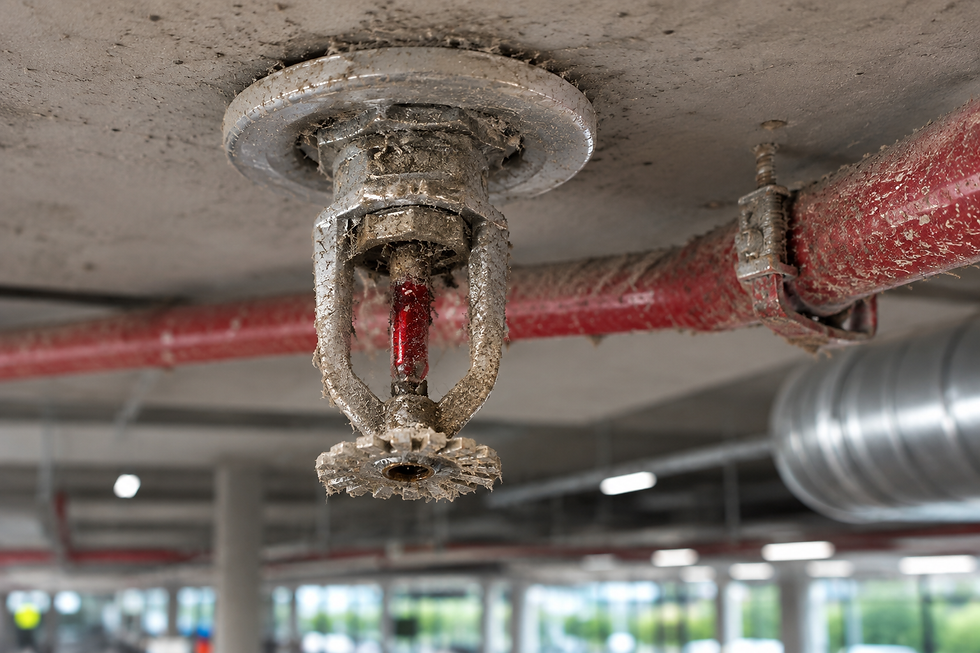
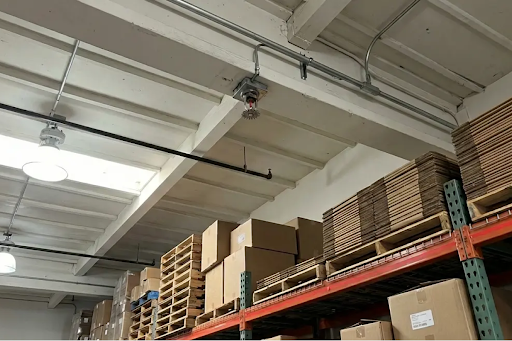
Sprinkler heads are installed at predetermined locations, usually on ceilings or high on walls. They must be positioned to cover the maximum area without obstruction.
Step 4: Connect to Water Supply
The piping system is connected to the building’s water supply. This connection often includes a control valve and a backflow preventer to ensure water flows only into the sprinkler system.
Step 5: Install Control Valves and Alarm Systems
Control valves regulate water flow, and alarm systems notify occupants and emergency services when the system activates.
Step 6: Pressure Testing
The entire system is pressurized with water or air to check for leaks and ensure all joints are secure.
Step 7: Final Inspection and Certification
A fire safety inspector reviews the installation to verify compliance with codes and standards. Once approved, the system is ready for operation.

Tips for a Successful Sprinkler Installation
Hire Certified Professionals: Fire sprinkler installation requires specialized knowledge. Always use licensed contractors who understand local regulations.
Follow Manufacturer Guidelines: Each component comes with installation instructions. Adhering to these ensures warranty protection and system reliability.
Plan for Maintenance Access: Install sprinkler heads and valves in locations that are easy to reach for future inspections and repairs.
Use Quality Materials: Inferior materials can lead to leaks or system failure.
Document Everything: Keep detailed records of the installation process, permits, and inspections for future reference.
Common Mistakes to Avoid During Installation
Incorrect Sprinkler Placement: Placing sprinklers too close to walls or obstructions reduces their effectiveness.
Improper Pipe Support: Pipes must be securely fastened to prevent sagging or damage.
Ignoring Local Codes: Each region has specific fire safety requirements. Non-compliance can result in fines or system rejection.
Skipping Pressure Tests: Testing is crucial to identify leaks or weak points before the system is operational.
Neglecting Alarm System Integration: The sprinkler system should be connected to alarms to alert occupants and emergency responders promptly.
Maintaining Your Fire Sprinkler System
Once installed, regular maintenance is essential to keep the system functional. This includes:
Routine Inspections: Check sprinkler heads for damage or blockage.
Annual Testing: Conduct flow tests and inspect control valves.
Prompt Repairs: Fix leaks or faulty components immediately.
System Upgrades: Update the system as needed to comply with new codes or building changes.
Proper maintenance extends the life of your fire sprinkler system and ensures it will perform effectively in an emergency.
By following these detailed sprinkler installation steps, you can ensure your fire sprinkler system is installed correctly and ready to protect your property. For those looking to learn more or hire professionals, consider researching fire sprinkler installation services to get expert assistance tailored to your needs.

Comments