
The Importance of Fire Sprinkler Design
- firejaime
- Sep 23, 2025
- 4 min read
Fire safety is a critical aspect of building construction and maintenance. One of the most effective ways to protect lives and property from fire damage is through a well-designed fire sprinkler system. Fire sprinkler design plays a vital role in ensuring that these systems function correctly when needed. This article explores why fire sprinkler design is so important, how it works, and what factors influence its effectiveness.
Understanding Fire Sprinkler Design
Fire sprinkler design involves planning and engineering a system that can detect and suppress fires automatically. The design process considers the building’s layout, occupancy type, fire hazards, and local fire codes. A properly designed system ensures that sprinklers activate only in the area where a fire starts, minimizing water damage while maximizing fire control.
A typical fire sprinkler system includes pipes, sprinkler heads, valves, and a water supply. The design must ensure adequate water pressure and coverage to suppress fires quickly. For example, in a warehouse storing flammable materials, the sprinkler design will be more robust compared to an office building with lower fire risk.
Key Elements of Fire Sprinkler Design
Hydraulic calculations to determine water flow and pressure requirements.
Sprinkler head placement to cover all areas effectively.
Pipe sizing and layout to ensure water reaches every sprinkler head.
Integration with fire alarm systems for early detection and response.

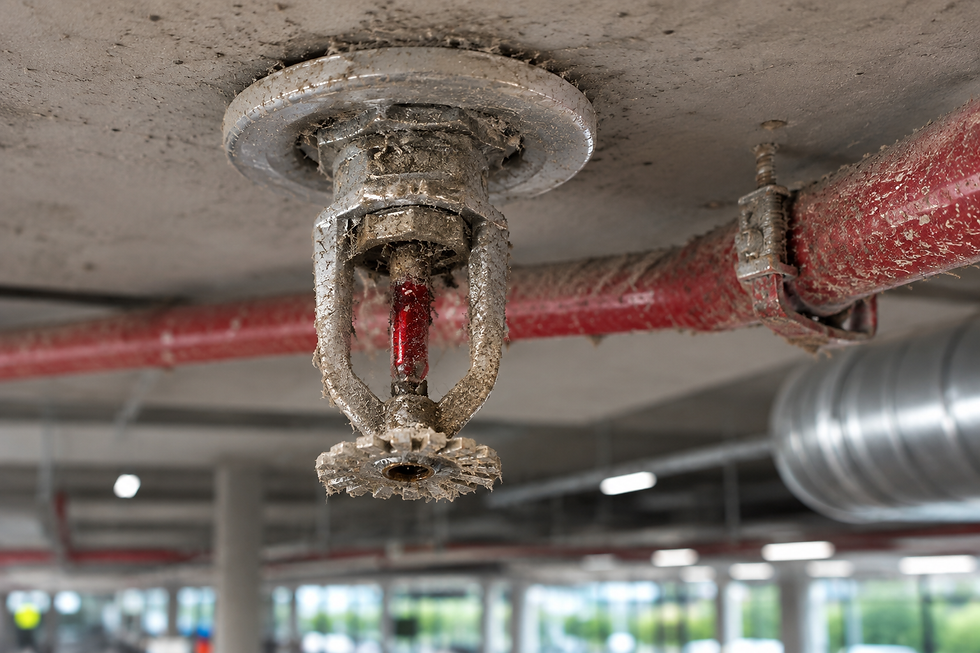
Fire sprinkler head positioned for optimal coverage
Why Fire Sprinkler Design Matters
The effectiveness of a fire sprinkler system depends heavily on its design. Poorly designed systems can fail to control fires, leading to greater damage and risk to occupants. Here are some reasons why fire sprinkler design is crucial:
Life Safety
A well-designed system activates quickly to suppress flames, reducing smoke and heat. This gives occupants more time to evacuate safely. For example, in residential buildings, sprinklers can prevent fires from spreading between units, protecting families and neighbors.
Property Protection
Fire sprinklers limit fire damage by controlling or extinguishing fires early. This reduces repair costs and downtime for businesses. In commercial settings, a good design can protect valuable equipment and inventory, preserving business continuity.
Compliance with Regulations
Building codes and insurance requirements often mandate specific fire sprinkler standards. Proper design ensures compliance, avoiding legal issues and potential fines. It also helps in obtaining insurance discounts, as insurers recognize the reduced risk.
Water Efficiency
Effective design minimizes water use by targeting only the fire area. This reduces water damage and cleanup costs. For instance, in a hotel, sprinklers in guest rooms activate individually, preventing unnecessary flooding in other areas.

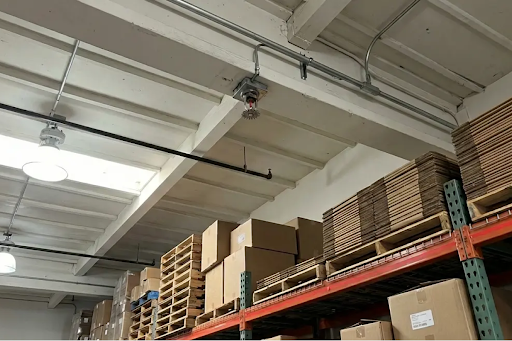
Fire sprinkler system components arranged for efficient water flow
Factors Influencing Fire Sprinkler Design
Several factors affect how a fire sprinkler system should be designed. Understanding these helps create a system tailored to the building’s needs.
Building Type and Use
Different buildings have different fire risks. A hospital requires a design that protects patients and sensitive equipment, while a manufacturing plant may need a system that handles chemical fires. The design must consider occupancy load, fire load, and specific hazards.
Building Layout and Size
The size and shape of the building influence sprinkler placement and pipe routing. Large open spaces like warehouses need more sprinklers spaced evenly, while multi-story buildings require vertical water supply considerations.
Water Supply Availability
The design must account for the available water pressure and flow. In areas with limited water supply, designers may include pumps or water storage tanks to ensure system reliability.
Local Codes and Standards
Fire sprinkler design must comply with standards such as NFPA 13 in the US or BS EN 12845 in the UK. These codes specify minimum requirements for system performance and installation.
Environmental Conditions
Temperature, humidity, and potential freezing conditions affect sprinkler selection and placement. For example, in cold climates, dry pipe systems prevent water from freezing in pipes.
How to Choose the Right Fire Sprinkler Design Services
Selecting professional fire sprinkler design services is essential for a reliable system. Experts assess your building’s unique needs and create a customized plan. When choosing a service provider, consider the following:
Experience and certifications in fire protection engineering.
Knowledge of local regulations and industry standards.
Ability to provide detailed hydraulic calculations and system drawings.
Reputation for quality installation and maintenance support.
Using fire sprinkler design services ensures your system is designed by professionals who understand the complexities involved. This investment can save lives and reduce property loss in the event of a fire.

Fire sprinkler system design plan being reviewed by engineers
Enhancing Fire Safety with Proper Design
Fire sprinkler design is not just about installing equipment; it’s about creating a comprehensive fire protection strategy. Here are some actionable recommendations to enhance fire safety through design:
Conduct a thorough fire risk assessment before designing the system.
Incorporate fire sprinkler design early in the building planning phase.
Use advanced technology such as smart sprinklers that can communicate with fire alarms.
Regularly inspect and maintain the system to ensure functionality.
Train building occupants on fire safety and sprinkler system operation.
By following these steps, building owners and managers can maximize the benefits of their fire sprinkler systems.
The Future of Fire Sprinkler Design
Advancements in technology are shaping the future of fire sprinkler design. Innovations include:
Wireless monitoring systems that provide real-time status updates.
Eco-friendly sprinkler heads that reduce water usage.
Integration with building automation systems for coordinated emergency response.
These developments will make fire sprinkler systems more efficient, reliable, and easier to manage.
Investing in quality fire sprinkler design is a proactive step toward safeguarding lives and property. Whether for new construction or retrofitting existing buildings, a well-designed fire sprinkler system is a cornerstone of effective fire protection. Prioritize professional design services and stay informed about the latest technologies to ensure your fire safety measures are up to date and effective.

Comments